
So I was mid‑swap the other day when my wallet suddenly flagged a flagged transaction. Whoa! It stopped me from making a dumb mistake. My instinct said “phew,” but then curiosity took over and I started asking smarter questions. Initially I thought all wallets were basically the same, but then I dug into transaction simulation and MEV defenses and realized: no, they’re wildly different—and that difference can cost you a lot.
Quick aside: this isn’t about fearmongering. Seriously? No. It’s about practical tradeoffs. Short version: pick a wallet that models transactions, isolates approvals, and gives you transparent gas and routing info. Longer version: keep reading—there are tradeoffs by chain, by UX, and by who handles the signing flow.
What “risk” really means for DeFi users
Risk is not one thing. Risk is a stack. At the bottom is private key exposure. Above that is transaction intent mismatch. Then there is MEV and routing risks. And finally there are UX‑driven mistakes. Hmm…
Private keys getting out is catastrophic. Period. But messy UI flows are the sour, slow kind of painful—where you lose money to a bad approval, a bad nonce, or an unseen slippage. On one hand users assume approvals are fine. On the other hand, many dapps still request blanket allowances that are risky. Actually, wait—let me rephrase that: blanket allowances are convenient but dangerous and they make me uncomfortable every time.
So you need controls. You need simulation. And yes, you need MEV awareness when interacting with DEXs and bridges.
Why multi‑chain wallets introduce new vectors
Multi‑chain convenience brings complexity. You can hold ETH, BNB, Polygon, Arbitrum, and more under one UI. Great. But chains have different mempool dynamics and different liquidity routing. That matters. A swap on one chain might be instantly front‑run on another if routing crosses bridges, or if a bundle gets picked up by MEV bots. Longer sentence warning: because validators and sequencers behave differently, the same user action can have different risk profiles depending on the chain’s architecture and the dominant MEV players active there.
Also, cross‑chain approvals and bridge transfers often involve multiple transactions. Each hop adds risk. Each additional approval is another potential attack surface.
Transaction simulation: the underrated MVP
Here’s what bugs me about most wallets: they show a gas estimate and a “confirm” button. That’s it. No context. No rehearsal. No simulation. That’s a recipe for surprises. I use tools that simulate the on‑chain effect of a transaction before I sign. It shows whether an approval will change allowances, whether a swap will route differently, or whether the final token amount is what you think. It’s like rehearsing a speech before you step on stage.
Simulation reduces cognitive load. It also reduces costly mistakes. You see potential reverts, slippage outcomes, and how approvals interact across multiple contracts. When a wallet lets you replay the exact call data against a node or a forked block, you catch deceptive UX tricks and hidden tokenomics. Somethin’ as small as a fee token or an approval nuance can change net outcome by a lot.
MEV: not just a nerd topic
MEV—miner/maximum extractable value—used to be an academic phrase. Now it’s wallet‑level risk. Traders feel it as slippage. LPs feel it as reduced returns. Regular users feel it as front‑run sandwich attacks or failed transactions that still consume gas. On certain chains, it’s the dominant cost of execution.
Protection strategies are layered. Use private mempool submission when available. Use transaction bundling or flashbots‑style relays that go direct to sequencers to avoid public mempools. Use time‑priority or limit orders to reduce front‑running windows. Though actually, on some chains the best defense is simply better routing: choosing paths that avoid tiny fragmented liquidity which invites MEV bots. On another hand, these protections sometimes add latency or require third‑party relays, which introduces trust tradeoffs.
Practical checklist when evaluating a multi‑chain wallet
Okay, so check this out—here’s a short, practical checklist you can use right now:
- Simulation before signing: Does the wallet simulate the exact calldata and show the final token amounts and approvals?
- Approval granularity: Can you set single‑use or per‑contract allowances? Does it warn on unlimited approvals?
- MEV protections: Does it support private RPCs, bundle submission, or gas‑priority stealth mechanisms?
- Chain transparency: Does the wallet show which node, relay, or sequencer it’s using per chain?
- Isolation of assets: Are chain accounts isolated, or does the wallet aggregate nonces in ways that could expose you to replay or accidental signing mistakes?
- Open‑source and auditable: Is the wallet code visible and reviewed? Can you verify the transaction flow?
I’m biased, but I prefer wallets that make the mechanics visible rather than hiding them. Why? Because visibility lets you reason about risk. It gives you options when things look off.
UX vs security: the tradeoffs
Friction is the enemy of usability. However, removing friction often removes safety nets. There’s no one‑size‑fits‑all. Some users prefer seamless auto‑approvals for convenience. Others want granular confirmations on every call. The smart wallets give both paths. They let you opt into convenience for low‑value routine flows, and lock down high‑value operations behind stricter flows.
Also, hardware signers add strong protection for key theft, but they can be clumsy with multi‑tx flows, or when signing bundles. So some wallets support hybrid flows: hardware for key storage, software for simulation and batching. That’s the best of both worlds, though it may feel a little more complex at first.
How Rabby and similar wallets approach these problems
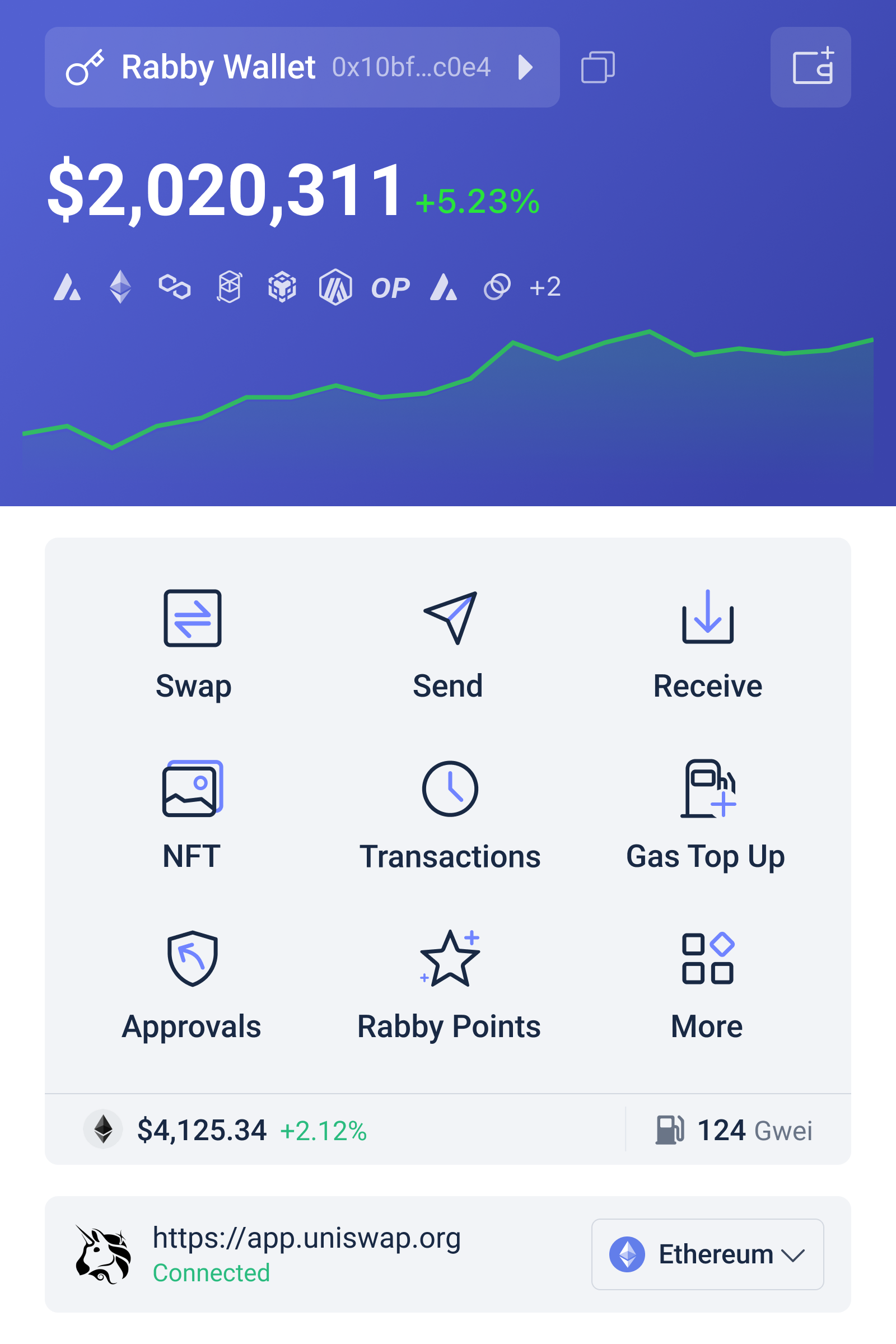
I’ve been playing with tools that focus on transaction simulation and approval management. One that stands out for those two features is available at https://rabby-wallet.at/. It shows you how a transaction will play out, surfaces approval changes, and offers clearer routing and gas visibility. It also makes it easier to revoke approvals later, which is huge. (oh, and by the way—revoking is something many folks never do, and then wonder why contracts still access their tokens.)
Not perfect. No wallet is. But the approach matters. If a wallet treats simulation and MEV awareness as core UX rather than optional extras, you get safer defaults and fewer surprises.
Real‑world scenarios: what to watch for
Scenario one: You approve a DEX contract with unlimited allowance and forget that a bridge also queries that approval. Result: sticky tokens and unexpected drain. Fix: set per‑use or per‑tx allowances, or revoke after use.
Scenario two: You initiate a cross‑chain swap that splits into multiple transactions. One leg reverts because of slippage. You still pay fees on the first leg. Fix: wallets that simulate both legs and let you bundle them reduce partial failure risk.
Scenario three: You try a big swap on a low‑liquidity pair. MEV bots sandwich you. Fix: use private submission or split orders, and consider limit orders when possible.
FAQ
How much should I trust a wallet’s simulation?
Simulations depend on accurate RPC data and modeling. They reduce, but do not eliminate, risk. Use simulation as a powerful signal—not as blind proof. If a simulation and the live network disagree often, that’s a red flag about the wallet’s node or modeling assumptions.
Does MEV protection add cost or latency?
Sometimes. Private relays or bundling can impose fees or require wait times. But for large trades or sensitive ops, those costs are often far lower than the value lost to MEV extraction. Weigh the tradeoff based on transaction size and urgency.
What are quick steps I can take today?
Limit approvals. Use wallets with transaction simulation. Consider hardware keys for high‑value accounts. Monitor mempool activity for big trades. And when in doubt, test with small amounts
I’ll be honest: there’s no perfect defense. Some things are probabilistic. On the other hand, small habits stack up. Use a wallet that treats simulation and approval hygiene as first‑class features. Use hardware for the big stuff. Revoke unused allowances. Split large trades or use limit orders. These are not sexy, but they’re effective. Somethin’ else—keep learning and adapt. The space moves fast and the smarter your tooling, the fewer surprises you’ll get. Really.